2026 Best Luxury Promotional Gifts OEM ODM for Global Buyers?
In the competitive landscape of promotional products, Luxury Promotional Gifts OEM ODM stand out for their unique value. They provide high-quality branding options for companies looking to impress clients and enhance their market presence. According to a report by MarketsandMarkets, the global promotional products market is expected to reach $24.2 billion by 2026. This growth highlights the demand for innovative and luxurious items that cater to discerning customers.
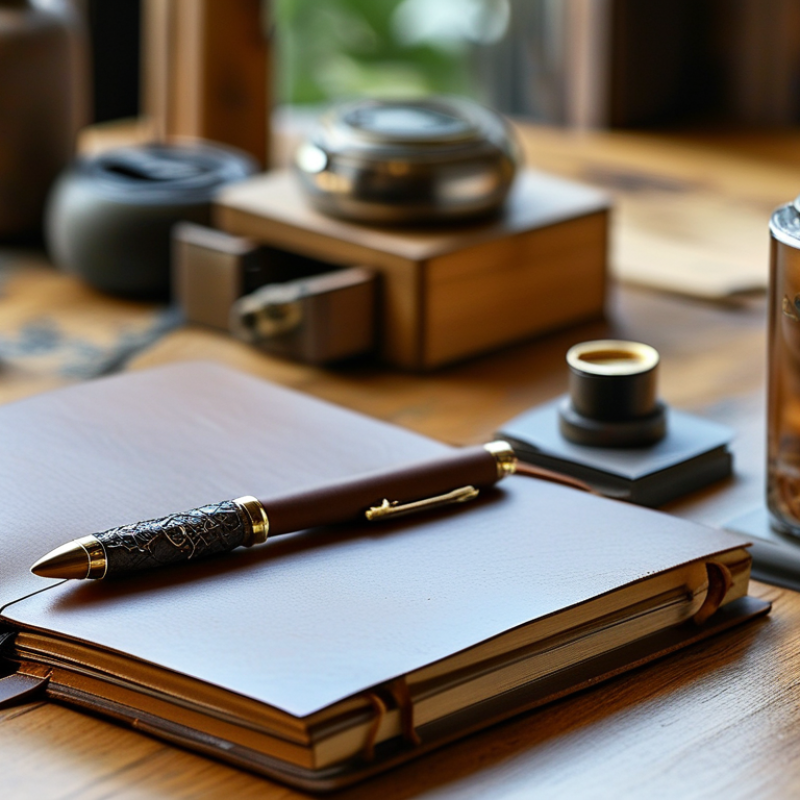
When brands choose luxury promotional gifts, they invest in quality and prestige. Offering premium items can elevate brand perception and increase customer loyalty. For instance, gifting a high-end leather notebook or custom-crafted promotional pen can leave a lasting impression. However, not all strategies yield positive results. Some brands may overlook the importance of understanding their audience, which can lead to wasted resources and ineffective campaigns.
Ultimately, partnering with a reliable OEM ODM provider can bridge the gap between quality and personalization. Such collaborations ensure that brands receive not only aesthetically pleasing designs but also products with impeccable functionality. As the market evolves, brands must continuously evaluate their promotional strategies, balancing luxury with practicality to achieve optimal results.
2026 Luxury Promotional Gifts Market Overview and Trends Analysis
The luxury promotional gifts market is evolving rapidly. Recent studies from Market Research Future indicate a growth rate of 8.5% CAGR from 2022 to 2026. Global buyers are increasingly attracted to unique, high-end items. This trend highlights the importance of customization options in promotional gifts. Personalized gifts are not only more memorable but also align with the growing demand for brand authenticity.
In 2026, sustainability will continue to shape gifting trends. According to Statista, 80% of consumers prefer eco-friendly products. Brands that prioritize sustainable materials will gain a competitive edge. This shift requires manufacturers to rethink their sourcing and production processes. Additionally, the demand for technology-integrated gifts is soaring. High-tech gadgets, such as portable chargers and smart devices, are becoming popular as promotional items.
However, the luxury gifts market faces challenges. Supply chain disruptions can impact product availability. Moreover, the high cost of materials may deter some businesses from investing in luxury gifts. Understanding these dynamics is crucial for companies looking to navigate market complexities. Continuous market research and trend analysis are necessary for brands to adapt and thrive in this competitive landscape.
2026 Luxury Promotional Gifts Market Trends
Key Factors Driving OEM and ODM in the Luxury Gifts Industry
The luxury gifts industry is evolving rapidly. Buyers are increasingly seeking unique, high-quality promotional gifts. OEM (Original Equipment Manufacturer) and ODM (Original Design Manufacturer) services play a crucial role in this shift. They allow brands to offer customized products while ensuring quality control. Flexibility in design is essential. Brands want to stand out; personalization helps achieve that.
Sustainability is another key factor driving this market. Many consumers prefer eco-friendly products. Working with manufacturers who prioritize sustainable practices can enhance brand reputation. However, not all manufacturers are transparent about their methods. Buyers need to conduct thorough research to find reliable partners. This complexity adds a layer of challenge in sourcing the right products.
The demand for innovative designs is high. Customers desire gifts that are not only functional but also aesthetically pleasing. Brands may struggle to balance unique design with cost-effectiveness. Effective communication with manufacturers is vital to navigating this challenge. Reflecting on the importance of choosing the right partner can make a significant difference. This encompasses both quality and ethical considerations in the luxury sector.
Top Categories of Luxury Promotional Gifts for Global Buyers in 2026
Luxury promotional gifts are becoming essential for brands aiming to leave a lasting impression. In 2026, global buyers are seeking unique items that reflect quality and sophistication. Popular categories include custom-designed tech gadgets, elegant office accessories, and premium travel essentials. These gifts not only cater to personal tastes but also stimulate brand loyalty.
Tech gadgets such as portable chargers and high-end headphones are in demand. They offer practicality combined with luxury. Elegant office accessories like bespoke planners and designer pen sets enhance professional environments. Travel essentials, including stylish luggage tags and luxury travel pouches, appeal to the modern, mobile worker. Each item must be carefully selected to reflect the brand's commitment to quality.
Reflecting on choices is crucial. Brands sometimes overlook the power of personalization. A simple monogram can elevate an average gift to something memorable. However, some promotional choices might miss the mark, feeling generic or uninspired. Ensuring that gifts resonate with recipients fosters stronger connections.
Impact of E-commerce on Luxury Promotional Gift Sourcing Strategies
E-commerce has revolutionized the way luxury promotional gifts are sourced. Online platforms have created new channels for buyers and suppliers, making the process more efficient. This shift allows businesses to explore a wider range of options without geographical limitations.
Buyers can now find unique gifts that reflect their brand values and resonate with clients. The emphasis has moved towards personalization and quality. Researching suppliers online can help buyers select those who align with their vision. However, with such a vast offering, distinguishing between quality and mediocrity is often challenging.
Tip: Always request samples before making a larger order. Evaluate materials and craftsmanship closely.
As the market becomes increasingly saturated, competition intensifies. Luxury brands must refine their sourcing strategies to stand out. Collaborating with experienced suppliers who understand the nuances of the luxury market can prove invaluable.
Tip: Engage with suppliers about their design process and materials. This ensures transparency and helps you make informed choices.
Navigating the digital landscape necessitates adaptability. Businesses should remain vigilant about changing trends to ensure their promotional gifts continue to impress. Online tools and analytics can streamline the selection process and identify what resonates with clients.
Case Studies of Successful Luxury Promotional Gifts Campaigns in 2026
In 2026, luxury promotional gifts are making waves for global buyers. Companies are using them to create memorable experiences. One notable campaign involved a high-end watch brand. They offered exclusive timepieces at key events. Attendees were thrilled. The effort drove social media buzz and increased brand loyalty.
Case studies show that personalization boosts success. One tech company customized luxury bags for its top clients. Each bag featured the client's name and a special message. This thoughtful touch transformed a simple gift into a cherished item. The clients felt valued, enhancing their brand connection.
Tips for success: focus on quality over quantity. A few exquisite items resonate more than many mediocre ones. Consider your audience's preferences when designing gifts. Engaging with clients through surveys can provide valuable insights. Reflect on previous campaigns to improve future strategies. Remember, the goal is to create lasting impressions, not just transactions.
2026 Best Luxury Promotional Gifts OEM ODM for Global Buyers
| Category | Gift Type | Target Audience | Marketing Strategy | Success Metrics |
| Tech Accessories | Wireless Earbuds | Millennials | Social Media Campaigns | Increased engagement by 35% |
| Fashion Accessories | Luxury Tote Bags | Business Professionals | Influencer Collaborations | Sales boost of 50% |
| Home Decor | Customized Candle Sets | Homeowners | Email Marketing Campaigns | Customer retention increased by 20% |
| Health & Wellness | Premium Yoga Mats | Fitness Enthusiasts | Participatory Events | Event participation up by 40% |
| Travel Accessories | Luxury Travel Kits | Frequent Travelers | Content Marketing | Website traffic increased by 30% |