Top Benefits of Using Construction Adhesive Polyurethane for Projects?
In the competitive world of construction, choosing the right adhesive is critical. "Construction Adhesive Polyurethane" stands out as an essential tool for builders and contractors. According to Jake Thompson, a leading expert in adhesive technology, “Polyurethane adhesives create strong and durable bonds that are essential for modern projects.” This statement emphasizes the importance of using high-quality materials in construction.
Utilizing "Construction Adhesive Polyurethane" offers several benefits. Its versatility allows it to bond effectively with multiple surfaces, including wood, metal, and concrete. This makes it a favorite for various applications, from residential to commercial construction. Despite its many strengths, some users may struggle with application techniques or the curing process. Proper guidance and practices can significantly enhance results.
Moreover, this adhesive is resistant to moisture and temperature fluctuations. This feature is vital for outdoor projects or environments with extreme conditions. However, be aware that it can be challenging to remove once cured. Understanding both its benefits and limitations will help in making informed decisions for your construction needs.
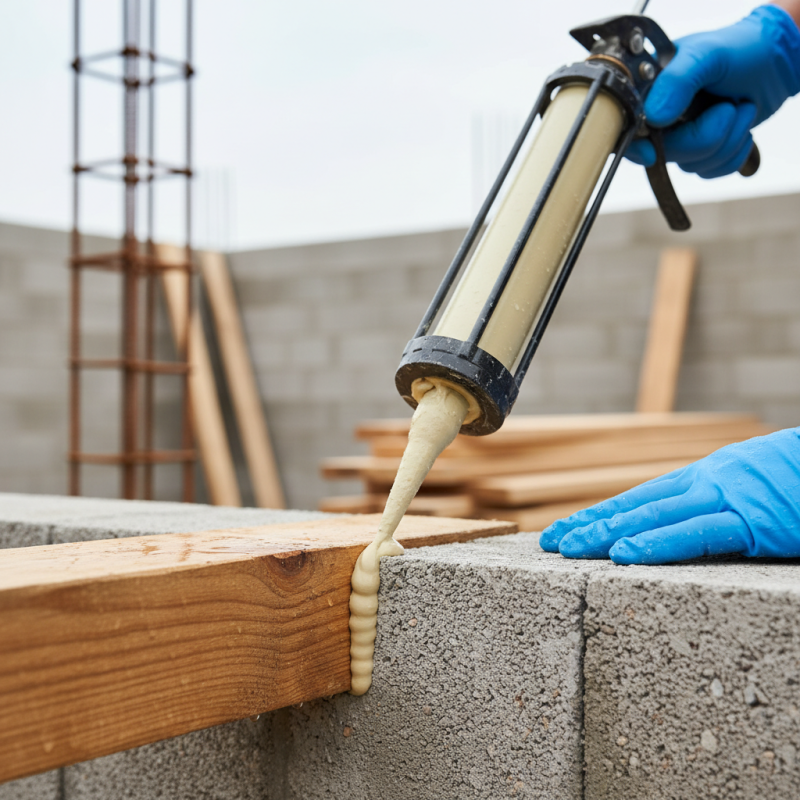
Benefits of Polyurethane Construction Adhesive in Various Projects
Polyurethane construction adhesive offers significant benefits for various projects. Its versatility makes it suitable for bonding materials such as wood, metal, and concrete. This adhesive forms a strong, water-resistant bond that can withstand extreme temperatures. For outdoor projects, using polyurethane ensures durability against rain and humidity. Its flexibility allows it to adapt to different surfaces, reducing the risk of cracks in the future.
Many professionals favor polyurethane due to its ease of application. A standard caulking gun can dispense it, enabling precise control. This adhesive cures relatively quickly, allowing faster project completion. However, users should be cautious about fumes. Proper ventilation is important during use. Always follow safety instructions.
While polyurethane has many advantages, it requires careful consideration during use. Over-application can lead to messy finishes and longer clean-up times. Users should apply it sparingly to avoid excess. Experimenting with small projects can help in mastering its application. This approach allows users to learn and improve their techniques over time, leading to better results in future projects.
Enhanced Bond Strength Compared to Traditional Adhesives
When it comes to construction projects, bond strength is crucial. Polyurethane construction adhesive stands out for its ability to create superior bonds. This adhesive can bond a wide variety of materials, such as wood, metal, and plastics. Unlike traditional adhesives, polyurethane offers flexibility, which helps absorb stress without breaking.
Many users have noted that polyurethane adhesive sets quickly. This speed allows for efficient project completion. However, this rapid curing can sometimes lead to challenges. If not applied carefully, it can result in messy finishes. The ability to work with various surfaces gives flexibility, but it may also require adjustments in technique.
Another significant advantage is its durability. Once cured, polyurethane is resistant to moisture and temperature changes. This makes it ideal for both indoor and outdoor applications. Yet, users should be cautious. Surface preparation is critical. Proper cleaning and sanding can significantly affect the bond. Neglecting this step can compromise the overall strength.
Resistance to Moisture and Temperature Variations in Outdoor Applications
When it comes to outdoor applications, the resistance to moisture and temperature variations is crucial. Construction adhesive polyurethane is specially formulated to withstand these elements, providing durability in various conditions. According to a report by the American Society for Testing and Materials (ASTM), polyurethane adhesives demonstrate superior performance in both wet and dry environments. This is key for construction projects exposed to unpredictable weather.
Moreover, temperature variation affects the integrity of building materials. The National Institute of Standards and Technology (NIST) indicates that polyurethane adhesives maintain their bond strength across a wide temperature range, from extreme cold to intense heat. In real-world applications, this resilience prevents issues like warping or delamination. Many builders have noted struggles with adhesive failures during seasonal changes. Polyurethane both minimizes these failures and adapts better to the physical stresses caused by fluctuating temperatures.
Yet, not all outdoor projects are created equal. Some users find that improper application can compromise the benefits of polyurethane. Adhering to manufacturer guidelines is essential, but many overlook this step. Despite its advantages, effective use requires knowledge and practice, emphasizing a hands-on approach in construction techniques. This can lead to discussions around the importance of proper training in the application process to fully harness polyurethane’s potential.
Top Benefits of Using Construction Adhesive Polyurethane for Projects
Improved Flexibility and Durability for Long-lasting Performance
Using polyurethane construction adhesive offers significant advantages, particularly in flexibility and durability. This adhesive molds well to surface imperfections. It creates strong bonds in various conditions. Flexible solutions are essential for many construction projects. Polyurethane can expand and contract with temperature changes. This adaptability reduces the risk of cracks or breaks over time.
To ensure the best results, apply the adhesive in optimal weather conditions. Humidity can affect curing times. Always prepare surfaces to remove dust and oils. Thin layers generally provide better adhesion than thick. Be mindful of the open time during application. Working too slowly might cause the adhesive to set before you finish.
Understanding these characteristics can enhance project outcomes. Every project can have unique challenges. Revisit your techniques and adjust as necessary. Don’t hesitate to test small sections first. This practice helps you gauge the adhesive's performance before full application. The quest for improvement never ends in construction projects.
Eco-friendly Formulations and Low VOC Emissions for Health and Safety
Construction adhesive polyurethane is gaining traction in the industry for its eco-friendly formulations. These adhesives often feature low volatile organic compounds (VOCs), making them a safer choice for indoor projects. The reduced emissions contribute to better air quality. This is essential for both health and safety, especially for those with sensitivities to chemical fumes.
The environmental benefits are significant. By choosing low VOC options, you reduce your carbon footprint. Many contractors appreciate this alignment with sustainable practices. It reflects a growing awareness of the impact of building materials on the environment. However, some still question the performance of these eco-friendly adhesives compared to traditional options.
Quality varies widely among products. Some may not bond as effectively, leading to potential issues in structural integrity. It's crucial to conduct thorough research and trials before commitment. Innovative technologies are emerging, but those in the field must remain vigilant. Evaluating each product’s technical data can guide informed decisions, fostering a balance between safety and effectiveness.
Conclusion
Construction Adhesive Polyurethane offers a multitude of benefits for various projects in the construction industry. One of its standout features is the enhanced bond strength it provides compared to traditional adhesives, ensuring that materials stay firmly in place under stress. Additionally, this adhesive demonstrates excellent resistance to moisture and temperature variations, making it ideal for outdoor applications.
Furthermore, Construction Adhesive Polyurethane is known for its improved flexibility and durability, which contribute to long-lasting performance in diverse environments. Not only does it prioritize eco-friendliness with low VOC emissions, promoting health and safety for users, but it also proves to be cost-efficient and time-saving throughout the construction process. Overall, its versatile advantages make Construction Adhesive Polyurethane a preferred choice for many building projects.