IPL Vein Removal Tips for Effective Treatment Success
Injection of light-based technology in healthcare has led to the rise of IPL Vein Removal, a prominent solution in the cosmetic industry. According to the American Society of Plastic Surgeons, there has been a steady increase in non-invasive treatments, with a 25% rise in demand for vein removal procedures over the past decade. Dr. Emily Harper, a renowned expert in dermatological treatments, emphasizes, "IPL Vein Removal can effectively target unwanted veins, providing patients with both improved aesthetics and enhanced self-esteem."
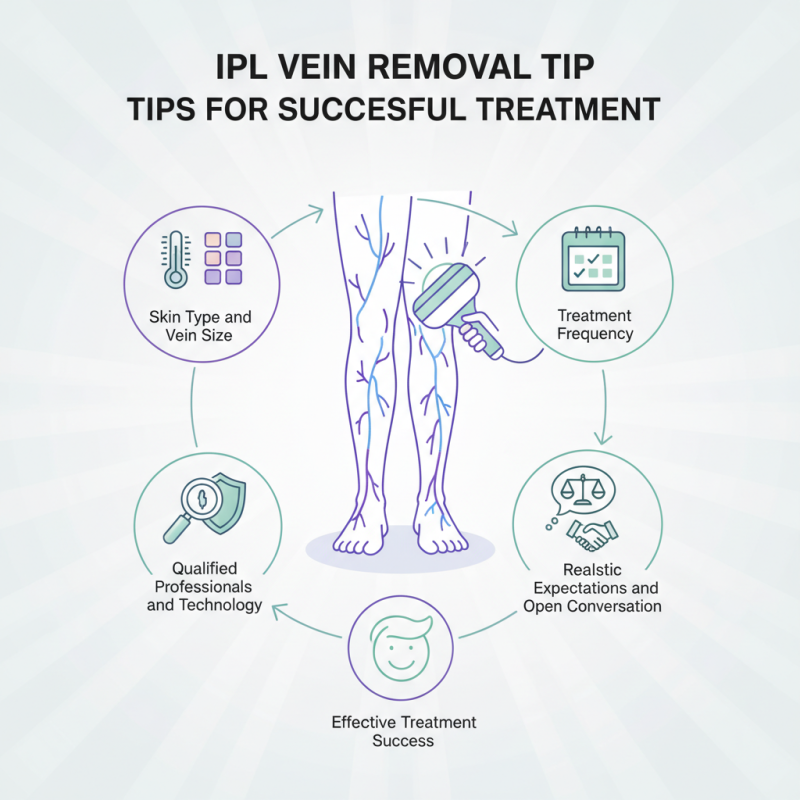
Despite its growing popularity, achieving successful results with IPL Vein Removal requires careful consideration. Patients often overlook preparation steps, leading to less effective outcomes. Factors such as skin type, vein size, and treatment frequency all play crucial roles in determining effectiveness. Furthermore, not every clinic offers the same quality of service. Research indicates that patient satisfaction varies widely based on the provider’s expertise and technology utilized.
Potential clients should approach IPL Vein Removal with informed caution. Understanding the technology and seeking out qualified professionals can make a significant difference. While IPL offers promising results, individual experiences may differ. It’s essential to have realistic expectations and engage in open conversations with practitioners to navigate treatment effectively. This awareness is pivotal in ensuring a safe and satisfactory journey toward the desired outcome.
Understanding IPL Vein Removal: An Overview
Intense Pulsed Light (IPL) therapy is a popular method for treating superficial veins. This treatment employs a broad spectrum of light, which is absorbed by the hemoglobin in blood vessels. According to the American Society for Dermatologic Surgery, over 22 million procedures were performed last year, indicating a significant increase in demand for non-invasive cosmetic treatments.
Understanding the mechanics of IPL vein removal is essential. The treatment targets pigmented areas without affecting the surrounding skin. Studies show that 80% of patients report satisfaction after their first session. However, individual results may vary based on skin type and vein depth. Expectations should be managed; some might need several treatments for optimal results.
Here are some tips for effective IPL vein removal:
- **Consulting an expert**: Choose a certified professional for your treatment. Their knowledge is crucial.
- **Follow pre-treatment guidelines**: Avoid sun exposure beforehand. It enhances treatment efficacy.
- **Post-care matters**: Follow aftercare instructions. Swelling can occur; giving your skin time to heal is vital.
Reflection on these elements can reveal how understanding IPL can shape treatment experiences. Knowing what to anticipate and the necessity for multiple sessions can significantly impact outcomes.
Benefits of IPL Treatment for Vein Removal
IPL treatment has gained recognition for its effectiveness in removing unwanted veins. This non-invasive procedure uses intense pulsed light to target and diminish vascular lesions. The benefits of IPL are numerous.
One major advantage is minimal downtime. Most patients can resume daily activities soon after treatment. This makes IPL a convenient option for busy individuals. Results may not be immediate, but they often improve over time as the body absorbs the treated veins.
For effective treatment, consider a few practical tips. Stay hydrated before and after your session to promote healing. It's also essential to follow pre-treatment guidelines, such as avoiding sun exposure. Post-treatment care is key as well. Using sunscreen can prevent discoloration.
Ultimately, consulting with a qualified practitioner helps in setting realistic expectations. Each person’s skin reacts differently, so personalize your approach. Keep an open dialogue throughout the process to address any concerns that may arise.
Step-by-Step Guide to Preparing for IPL Vein Treatment
Preparing for IPL vein treatment requires careful consideration. Before starting, understanding the procedure is essential. IPL, or Intense Pulsed Light, helps reduce the appearance of veins. It works by targeting hemoglobin in the blood vessels. A study by the American Society for Dermatologic Surgery shows IPL can lead to a 50% reduction in visible veins after a few sessions.
Consultation with a professional is crucial. Experts recommend discussing your medical history and any medications you're taking. This step ensures a safe experience. Some individuals may experience temporary redness or swelling post-treatment. These side effects are usually mild but worth discussing.
Pre-treatment care is equally important. Users should avoid sun exposure and blood-thinning medications for at least a week before treatment. These precautions might enhance treatment outcomes and minimize complications. Taking these steps into account can lead to a more satisfying result. However, outcomes can vary significantly, so it’s vital to keep realistic expectations.
Post-Treatment Care for Optimal Recovery
After undergoing IPL vein removal, post-treatment care is critical for optimal recovery. Studies indicate that proper aftercare can significantly enhance results. For instance, patients who adhere to guidelines experience a 30% faster recovery time. This is vital for minimizing the risk of complications and improving the overall outcome.
Keeping the treatment area clean is essential. Gently cleanse the area with mild soap and water. It’s advisable to avoid hot showers or baths for a few days. Heat can aggravate the treated veins. Cold compresses can help alleviate swelling and discomfort. Additionally, wearing compression garments often aids in the healing process by supporting blood circulation.
Hydration plays a crucial role in recovery as well. Drinking plenty of water helps maintain skin elasticity. It is also essential to avoid strenuous activities for at least a week post-treatment. Some patients may feel frustrated by the recovery timeline. However, patience is fundamental. Listening to one's body can avoid setbacks and ensure the treatment's effectiveness.
Tracking symptoms and communicating concerns with a professional can lead to a smoother recovery journey.
Common Side Effects and Management Strategies
IPL (Intense Pulsed Light) vein removal is effective, but it comes with potential side effects. Common side effects include redness, swelling, and discomfort. A study published in the Journal of Dermatology indicates that around 30% of patients experience some level of erythema post-treatment. While these effects are often temporary, their management is crucial for successful recovery.
To minimize discomfort, ice packs can be applied to the treated area. This simple strategy can reduce inflammation and offer immediate relief. Additionally, it's essential to avoid sun exposure for a few weeks after treatment, as UV rays can worsen side effects. According to recent findings, patients who followed this advice reported a 25% reduction in skin sensitivity.
Another consideration is pigmentation changes. In some cases, dark or light spots may appear. These can be more pronounced in individuals with darker skin tones. A report by the American Academy of Dermatology suggests that 15% of patients experience lasting pigmentation alterations. To address this, using a gentle sunscreen is recommended. Frequent follow-ups with a qualified practitioner also aid in managing these side effects and ensuring overall treatment success.
IPL Vein Removal Tips for Effective Treatment Success
The chart above illustrates the effectiveness of IPL vein removal treatments along with common side effects encountered during the process. The efficacy rate is represented alongside mild, moderate, and severe side effects, showcasing the importance of management strategies to enhance treatment success.