What is Metallic Pigment and How is it Used?
Metallic Pigment has gained significant attention in various industries due to its unique properties. This intriguing material enhances the visual appeal of products, offering a distinctive shine and color. Often used in paints, coatings, and cosmetics, Metallic Pigment transforms ordinary items into eye-catching masterpieces.
The versatility of Metallic Pigment allows for innovation in art and design. For instance, artists incorporate it into their works, creating depth and brilliance. However, its application is not without challenges. Achieving the desired effect can be tricky, requiring careful formulation and testing. It’s crucial to strike a balance between appearance and functionality.
As industries continue to evolve, the demand for high-quality Metallic Pigment grows. Companies are exploring new methods of production and application. Yet, with each advancement, there are lessons to be learned. Not all pigments mix well, and compatibility with other materials can be an issue. Reflecting on these experiences is vital for future developments.
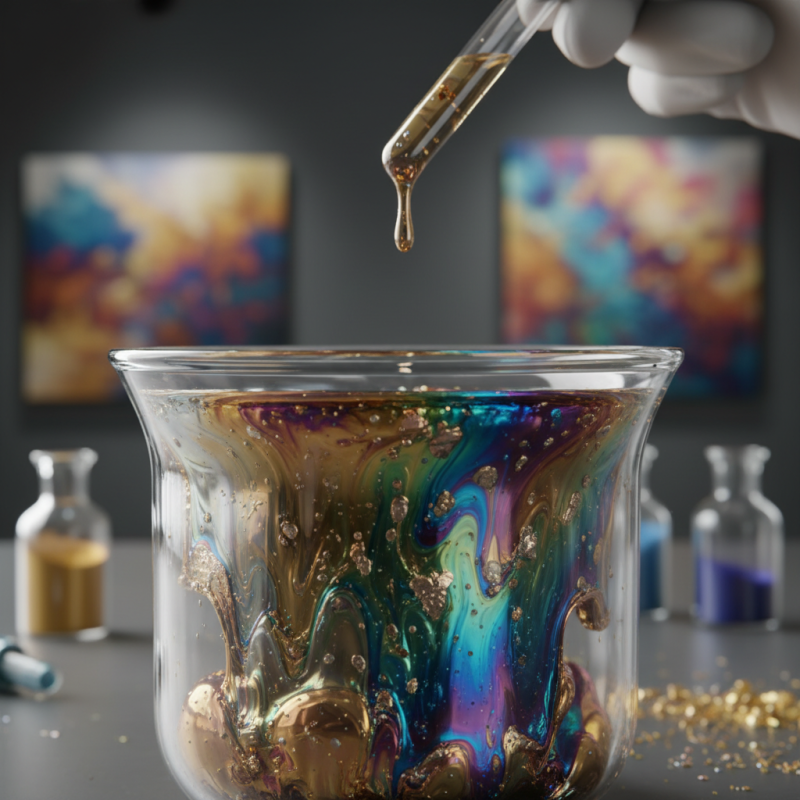
Definition and Composition of Metallic Pigment
Metallic pigment is a unique substance known for its shiny qualities. It comes from various metallic sources, including aluminum and bronze. This pigment is used to create visual depth and texture in a variety of products. Its ability to reflect light gives items a striking appeal, making them stand out.
The composition of metallic pigments often includes small particles that are treated to enhance their luster. These particles can vary in size, affecting the final appearance of the finish. Sometimes, the application can fall short of expectations. For instance, improper mixing may lead to uneven coloration.
In art and design, metallic pigments encourage creativity. They add a dynamic quality to paints, coatings, and even cosmetics. However, one must be cautious. Overusing metallic pigments might overwhelm other design elements. It's crucial to find a balance in application. Careful consideration will lead to more successful results.
Types of Metallic Pigments and Their Unique Properties
Metallic pigments are fascinating. They add shimmer and depth to various products, from paints to cosmetics. Let's delve into the types of metallic pigments and their unique properties.
Aluminum pigments are a common choice. They create a silver metallic effect. These pigments are often used in automotive paints. They reflect light well, adding a vibrant shine. However, the use of aluminum can pose challenges. Careful handling is necessary. It's vital to ensure even dispersion for consistent results.
Another type is bronze pigments. These offer a warm gold tone. They are popular in decorative coatings. Bronze pigments can make surfaces look classic and rich. But they might tarnish over time, which is a drawback. Regular maintenance can help preserve their luster.
Tips: Always test pigments in small batches. Gauging their effects early can save time and resources. Be mindful of the pigment type you choose. Different applications may yield varying results, and mistakes can be costly.
Metallic Pigments and Their Unique Properties
This chart represents the unique properties of different types of metallic pigments used in various applications, showcasing their primary usage and effect on color and finish.
Common Applications of Metallic Pigments in Various Industries
Metallic pigments are fascinating materials that add a unique touch to various products. Often used in paints and coatings, these pigments provide a shiny, reflective quality. This effect enhances the visual appeal, making surfaces look more dynamic and vibrant. Artists and designers appreciate the depth these pigments can offer in their work.
In the automotive industry, metallic pigments are pivotal. Car manufacturers frequently use them to create eye-catching finishes. The pigments help vehicles stand out on the road. However, achieving the perfect metallic look can be challenging. It requires a delicate balance to avoid an overly garish appearance. Similarly, in the cosmetics sector, metallic pigments find their way into lipsticks and eyeshadows. They create a glamorous effect, but users should be cautious. Too much can look overwhelming.
Metallic pigments are also important in packaging. They can elevate the look of everyday items, creating a sense of luxury. Yet, this raises questions about sustainability. The allure of metallic finishes can sometimes overshadow the environmental impact of their production. As industries utilize these pigments, considerations about their long-term effects are necessary. Balancing aesthetics with responsibility remains a topic worth exploring.
Advantages of Using Metallic Pigments over Traditional Colorants
Metallic pigments are increasingly popular in various industries, offering distinct advantages over traditional colorants. These pigments are known for their unique visual effects. They produce shimmering finishes that can catch the eye. In contrast, standard colorants often lack this captivating quality. The global market for metallic pigments was valued at approximately $2.6 billion in 2022, reflecting their growing importance.
One major advantage of metallic pigments is their superior lightfastness. They can resist fading over time, maintaining their beautiful appearance longer than conventional colorants. Reports indicate that products using metallic pigments can last up to 50% longer under UV light exposure. This durability translates into cost savings for manufacturers, reducing the need for frequent reapplications or touch-ups.
Moreover, metallic pigments can enhance product aesthetics. They create depth and dimension that standard colorants often fail to achieve. However, it's essential to recognize that achieving the desired finish can require complex formulations. Not all applications benefit equally. There is a nuanced balance between vibrancy and durability that needs reflection. Proper testing and adjustment are crucial in ensuring the best results.
Manufacturing and Processing Techniques for Metallic Pigments
Metallic pigments are fascinating in their versatility. These pigments can enhance the visual appeal of various products. Their application ranges from automotive paints to cosmetics. The manufacturing techniques used to create these pigments are equally intriguing.
The production of metallic pigments typically begins with raw materials like metals or substrates. These metals are processed into fine powders through techniques like milling or grinding. The resulting particles can then be coated or treated for better adhesion and durability. The size of the particles significantly affects the final product's finish and sparkle. Some manufacturers might lack precision in this stage, leading to inconsistent quality.
Processing often involves various techniques, including chemical treatments and surface modifications. These methods help control the color, luster, and functionality of the pigments. However, not all manufacturers achieve the same results. There may be a noticeable difference in product quality and performance. Refining these processes remains a challenge, as imperfections can occur. Each step of manufacturing deserves careful consideration to ensure optimal output.