What is POM Tube and How is it Used in Manufacturing?
The POM Tube is an essential component in modern manufacturing. Experts in the field recognize its importance. Dr. Emily Chen, a leading specialist in polymer technology, aptly stated, "POM Tubes enhance precision and efficiency in production processes." This statement underscores the vital role played by POM Tubes in various applications.
Manufacturers rely heavily on POM Tubes for their outstanding mechanical properties. These tubes offer excellent wear resistance and low friction, making them ideal for intricate assemblies. Industries ranging from automotive to electronics benefit from their unique characteristics. However, the reliance on POM Tubes also raises questions about sustainability and environmental impact. Reflecting on their production can lead to innovative practices that reduce waste.
Understanding how to leverage POM Tubes effectively can transform production lines. Proper application can lead to significant cost savings and increased durability of products. Yet, failure to consider the choice of materials can result in compatibility issues. As the manufacturing landscape continues to evolve, it is crucial to remain informed and adaptable.
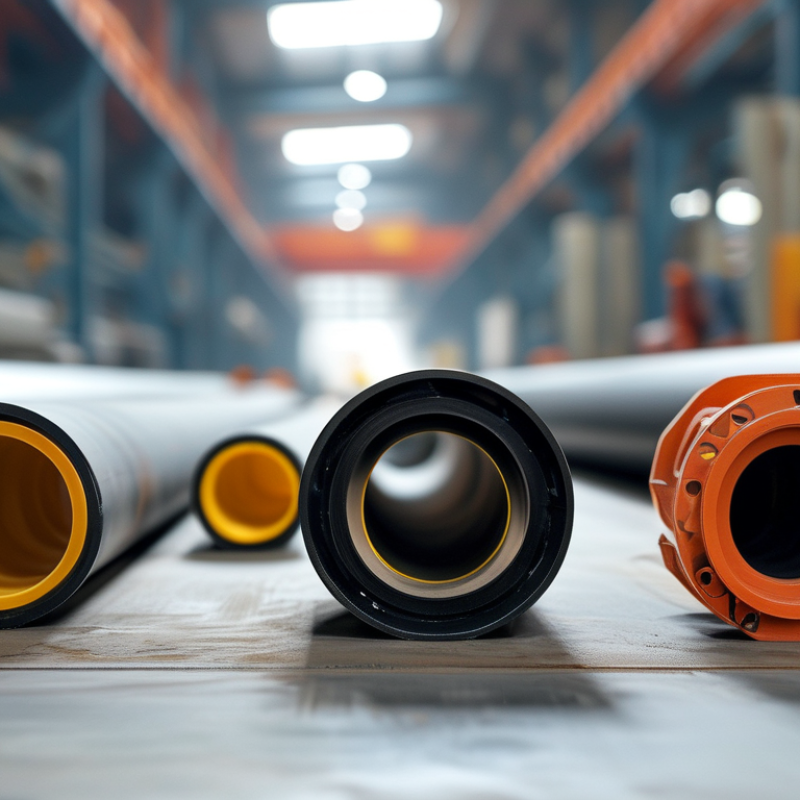
Definition and Overview of POM Tube in Manufacturing
POM tube, or Polyoxymethylene tube, plays a crucial role in manufacturing. This thermoplastic material is known for its excellent mechanical properties. It offers high stiffness, low friction, and great wear resistance. According to a report by MarketsandMarkets, the global POM market was valued at $3.1 billion in 2022 and is projected to reach $5.2 billion by 2028, reflecting its growing importance.
In manufacturing, POM tubes are commonly used in automotive, electronics, and consumer goods. Their dimensional stability allows for precision in components such as gears and bearings. Furthermore, the material exhibits good chemical resistance, making it suitable for various applications. However, one must be aware of its limitations, such as sensitivity to UV light and hydrolysis under certain conditions. These factors can impact the longevity of POM tubes in certain environments.
Industry experts recommend thorough testing of POM components before full-scale production. This ensures they meet specific performance criteria. Nevertheless, challenges remain in recycling POM materials, which may hinder sustainable practices. Manufacturers must balance performance needs with environmental responsibilities.
Composition and Properties of POM Material
Polyoxymethylene (POM) is a high-performance thermoplastic known for its excellent mechanical properties. It is often used in manufacturing various components due to its strength and durability. POM's molecular structure allows it to maintain rigidity while providing low friction, making it an ideal material for gears and bearings.
One of the key compositions of POM includes formaldehyde, which contributes to its strength. This characteristic makes POM resistant to wear and chemical agents. It also has good thermal stability, allowing it to perform in a range of temperatures without warping. These properties make POM suitable for a range of applications, from automotive parts to household appliances.
Tips: When working with POM, it is crucial to understand its processing conditions. Improper settings can lead to defects or weakening of the material. Pay attention to the drying process, as moisture can adversely affect performance. Always consider designing parts to minimize stress concentrations. Small design changes can significantly impact product reliability.
Another aspect to consider is the environmental impact. While POM offers many advantages, its production involves resource use and emissions. Recycling POM is more challenging compared to some other plastics. Reflecting on these factors is essential for responsible manufacturing practices.
Applications of POM Tube in Various Industries
POM tubes are versatile components used across various industries. Their strength and resistance to wear make them ideal for many applications. In the automotive sector, POM tubes are often utilized for fuel lines and structural components. These tubes can withstand harsh conditions and provide durability.
In the electronics industry, POM tubes are increasingly popular. They are used for insulating and protecting delicate wiring systems. The lightweight nature of POM makes it preferable for electronic housing. Additionally, its low friction properties reduce wear on moving parts.
Tip: When selecting POM tubes, consider the specific environmental factors. Temperature and chemical exposure can affect performance. Always consult with a material expert to ensure the right fit for your project.
The medical field also benefits from POM tubes. They are used in devices such as surgical instruments and drug delivery systems. The biocompatibility of POM helps in avoiding adverse reactions in patients. However, it is crucial to verify regulatory compliance with medical standards.
Tip: Ensure that you regularly review supplier materials and certifications. This will help maintain quality and safety in production.
Advantages of Using POM Tube in Manufacturing Processes
POM tubes have become increasingly popular in various manufacturing sectors. Their unique properties make them an appealing choice for many applications. POM, short for polyoxymethylene, offers significant benefits that enhance manufacturing processes.
One major advantage of POM tubes is their exceptional strength and rigidity. This makes them ideal for precision parts and components. They can withstand high mechanical loads, reducing the need for frequent replacements. Additionally, POM tubes exhibit excellent dimensional stability. They maintain their shape and size even under stress, ensuring consistent quality in production.
Another benefit is their resistance to chemicals and moisture. This feature is crucial in environments where exposure to various substances can compromise material integrity. Using POM tubes minimizes the risk of degradation, ensuring longer-lasting components. However, it is essential to consider the limitations of these materials. For instance, they may not perform well in extreme temperature conditions. Regular assessments and tests are necessary to fully understand their capabilities in specific applications.
POM Tube Usage in Manufacturing Processes
Installation and Handling Guidelines for POM Tubes
The POM tube, known for its excellent rigidity and low friction, is crucial in various manufacturing processes. When handling and installing POM tubes, proper guidelines must be followed to ensure safe and effective use. Always inspect the tube for any imperfections before installation. A minor defect can lead to significant issues during operation.
When cutting POM tubes, use a fine-tooth saw to prevent chipping. Ensure you wear protective gear, such as gloves and goggles. This step minimizes the risk of injury and enhances overall safety. During the installation, maintain a clean workspace. Debris can jeopardize the integrity of the fit and lead to failures over time.
Tip: Avoid overtightening joints. This can cause stress on the tube and may result in cracks. A gentle but secure fit is ideal. Additionally, if installations require adhesives, choose ones recommended for POM. Not all adhesives will bond effectively, potentially leading to failure. Always test a small section if uncertain.