What is a Sand Dredger and How Does It Work?
In the world of marine construction and land reclamation, a Sand Dredger plays a vital role. This specialized vessel removes sand and sediment from the sea floor. Experts like Dr. Emily Carter, an industry leader, emphasize its importance. "Without sand dredgers, coastal development would be nearly impossible," she states.
Sand dredgers come in various sizes and designs, tailored to different projects. They operate with precision, utilizing suction or mechanical means to collect sand. The collected material can be used for beach restoration, construction, or even land reclamation. Each dredging operation requires careful planning and execution.
However, this industry faces challenges. Environmental impacts must be considered. Sediment removal can disrupt marine ecosystems. It is crucial to strike a balance between development and preservation. Understanding how a sand dredger works sheds light on these trade-offs. This awareness can lead to better practices in dredging operations.
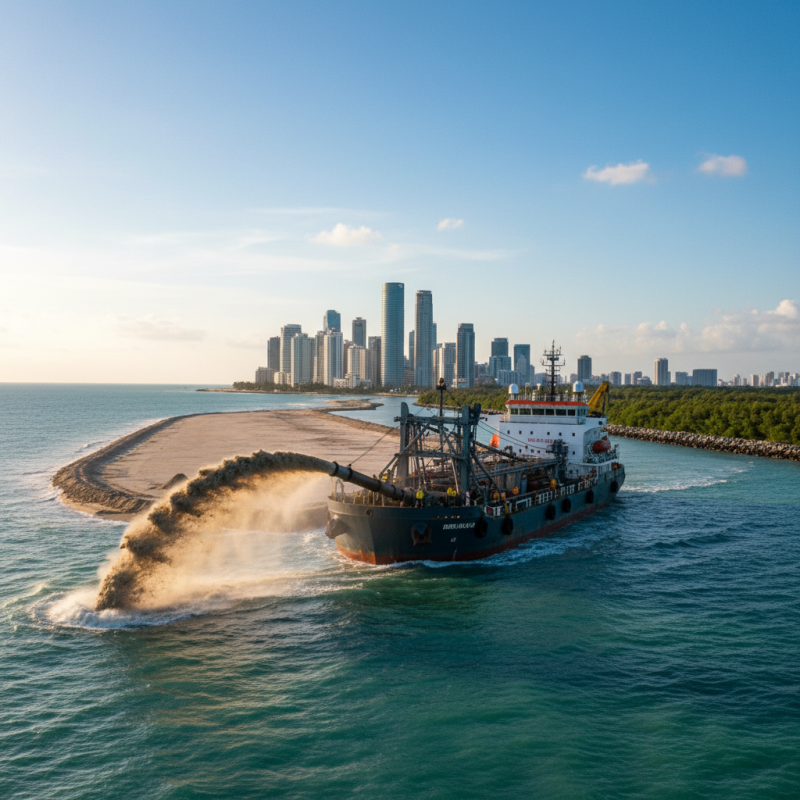
What is a Sand Dredger?
A sand dredger is a specialized vessel designed to extract sand and sediment from the seabed or riverbeds. These machines are essential for various industries, including construction, maintenance of waterways, and land reclamation. Their primary function is to deepen navigational channels or harvest sand for concrete production.
Sand dredgers operate using a series of mechanical systems. Typically, they use a large suction pump or a mechanical scoop to gather sand. Some dredgers feature a cutter head that breaks up the sediment before it is collected. The collected material is then transported through pipelines or onboard containers. This process requires precision and expertise, as improper techniques can lead to environmental damage or sediment displacement.
While sand dredging plays a crucial role in infrastructure development, it is not without its challenges. Overdredging can destabilize coastlines and harm local habitats. There are debates about sustainable practices in dredging operations. Balancing economic needs with environmental protection is a topic of ongoing discussion. Effective management and regulation of dredging activities are vital for minimizing negative impacts.
Types of Sand Dredgers and Their Applications
Sand dredgers are essential tools in various industries, mainly for dredging sand from rivers, lakes, and oceans. There are several types of sand dredgers, each designed for specific applications. The most common types include cutter suction dredgers, hopper dredgers, and trailing suction hopper dredgers. Each type has unique features that dictate its suitability for particular projects.
Cutter suction dredgers are equipped with a rotating cutter head. This design allows them to excavate and transport material through a pipeline. According to industry reports, approximately 60% of global dredging projects use cutter suction technology due to its efficiency in accessing submerged materials. These machines are often deployed for land reclamation and maintenance of waterway depths.
Hopper dredgers collect sediment and sand by sucking material from the seafloor. They play a crucial role in coastal protection, maintaining harbors, and contributing to beach nourishment. The International Maritime Organization reported that these dredgers account for around 30% of dredging operations. However, the environmental implications of these dredging techniques raise important questions. Balancing economic needs with ecological effects remains a pressing issue for the industry. Each type of dredger presents challenges and benefits, highlighting the complexity of their applications in real-world scenarios.
Types of Sand Dredgers and Their Applications
The Mechanism of Sand Dredging: How It Works
Sand dredging is a critical process in various industries, such as construction, mining, and environmental management. At its core, a sand dredger operates by removing sand or sediment from water bodies. This process involves a well-designed mechanism to efficiently extract materials from the seabed or river floors.
The mechanism of sand dredging typically comprises several key components. The dredger uses suction or mechanical means to lift sand from the bottom. The suction system draws in water, sand, and other materials. A pump then transports this mixture to a designated location, which can be miles away. Mechanical dredgers, on the other hand, use buckets or clamshells to physically lift the sand. Both methods ensure precise removal, yet they also have limitations. Not all sediment can be captured effectively, and environmental impacts must be considered.
Challenges arise during operation. Operators need to manage sediment disturbance to protect marine ecosystems. Moreover, varying water conditions can affect efficiency. Ensuring the durability of equipment is another concern. Maintaining dredgers in good condition is crucial for optimal performance. It's vital to evaluate these aspects regularly. Proper training for operators is essential to minimize risks associated with mechanical failures.
Environmental Impact of Sand Dredging
Sand dredging is a powerful method to extract sand from rivers and oceans. This process, however, brings significant environmental concerns. When large amounts of sand are removed, it affects sediment balance. This balance is crucial for ecosystem health. The disruption of sediment can lead to coastal erosion and habitat destruction.
Marine life suffers greatly due to dredging activities. Fish populations decline, as many species rely on sand beds for breeding. Coral reefs, integral to marine biodiversity, can also be damaged by sedimentation. Sand dredging can smother these reefs, preventing them from receiving sunlight and nutrients.
Local communities often experience the impacts too. Changes in water quality can affect drinking water and local fisheries. Increasing awareness about these issues is vital. It's essential to consider sustainable practices in dredging. Without reflection, the long-term consequences could be dire for both ecosystems and human populations.
Safety Measures and Regulations in Sand Dredging Operations
Sand dredging operations, while essential for various construction projects, require strict safety measures and adherence to regulations. Operators must be aware of potential hazards, including underwater currents and equipment malfunctions. Training is crucial, ensuring all crew members understand safe operating procedures and emergency responses. Additionally, regular maintenance of dredging equipment minimizes risks, keeping both operators and the environment safer.
Regulatory compliance is vital in sand dredging. Local authorities often impose guidelines to protect marine ecosystems and maintain community safety. Environmental assessments should be conducted before commencing operations. These assessments identify sensitive areas that could be harmed by dredging activities. Failure to comply can lead to legal repercussions and environmental damage. Sand dredging might seem straightforward, but it is layered with complexities that demand careful planning and execution. The importance of ongoing education and training in this field cannot be overstated.
What is a Sand Dredger and How Does It Work? - Safety Measures and Regulations in Sand Dredging Operations
| Dimension | Details |
| Type of Dredger | Cutter Suction Dredger |
| Working Depth | Up to 20 meters |
| Dredging Capacity | 1000 - 5000 cubic meters per hour |
| Power Source | Diesel Engine |
| Safety Measures | Regular maintenance, use of PPE, and operational training |
| Environmental Regulations | Compliance with local and international environmental standards |
| Main Uses | Sand extraction for construction and land reclamation |