
NEVER MISS AN UPDATE
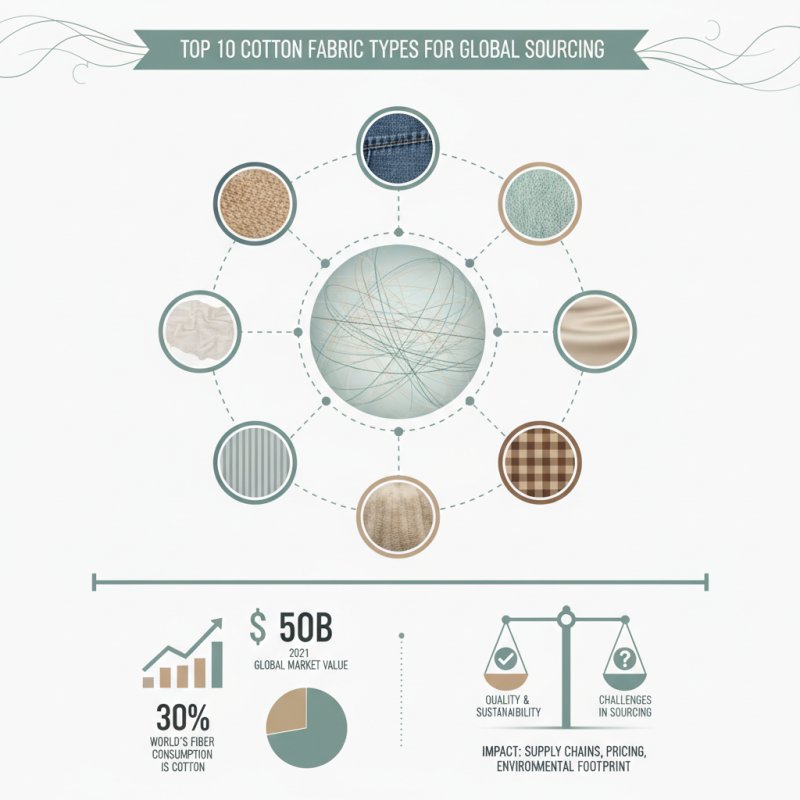
SUBSCRIBECotton Fabric is a cornerstone of the global textile industry. In 2021, the global cotton market was valued at approximately $50 billion. This significant figure reveals the reliance on cotton for various applications. Despite innovative materials emerging, cotton remains a favored choice for fabric manufacturing.
The versatility of cotton fabric caters to diverse needs—from clothing to home textiles. Reports indicate that around 30% of the world’s fiber consumption is attributed to cotton. This highlights its importance in everyday life. However, sourcing high-quality cotton fabric poses challenges. Variability in quality and sustainability practices often complicates procurement processes.
As businesses expand their sourcing strategies, understanding the types of cotton fabric is crucial. Certain cotton varieties offer better durability and comfort. Yet, even within the top selections, discrepancies exist that require careful consideration. Sourcing decisions can have significant impacts on supply chains, pricing, and environmental footprints.
When exploring cotton fabric types for global sourcing, it is essential to understand the variety available. Cotton is a versatile material used in many industries. There are several types, each with unique qualities. Different types of cotton fabrics vary in texture, weight, and application.
Egyptian cotton is renowned for its softness. However, it may not be the most affordable option. Denim is another popular choice, offering durability and rugged appeal. It is widely used in clothing manufacture. On the other hand, cotton voile is lightweight and transparent, making it ideal for summer garments.
Sourcing the right fabric requires careful consideration. Some fabrics, like flannel, provide warmth, while others, such as muslin, are better for breathability. Knowing your target market can guide your choices. Understanding these details can prevent costly mistakes in sourcing. However, remember that each type has its pros and cons.
This chart displays the top 10 cotton fabric types based on global sourcing demand, illustrating the popularity and versatility of each type in the textile market.
Cotton fabrics come in various types, each offering unique characteristics. Understanding these traits helps in making informed sourcing decisions. For instance, lightweight cotton is perfect for summer clothing due to its breathability. It feels soft against the skin and is often used in dresses and tops.
Another popular type is denim, which is sturdy yet stylish. Its durability makes it ideal for casual wear and home textiles. However, sourcing high-quality denim requires careful consideration. Look for fabrics with a good weight to maintain shape.
Then, there's canvas, often used for bags and upholstery. It's heavy-duty but can feel rough; this is an aspect to reflect on when selecting for comfort.
Finally, sateen cotton is a luxurious choice. It has a smooth finish, ideal for bedding and formal attire. Yet, it may require more care to maintain its sheen, which can be a drawback. Each of these fabric types brings benefits and challenges, making it crucial to evaluate the specific needs of your project.
When selecting cotton fabrics for global sourcing, several key factors come into play. The fabric's texture, weight, and durability are essential. For instance, lightweight cotton is ideal for summer clothing, while heavier fabrics work well for colder seasons. Consider what end products you are aiming for. This focus helps guide your choices.
Understand the impact of sustainability in fabric sourcing. Eco-friendly cotton options have gained momentum. Certifications can indicate responsible farming practices. However, not all fabric claims are reliable, leading to potential missteps. Scrutinizing fabric sources ensures you are making informed decisions rather than just following trends without reflection.
Quality is another vital aspect. Variations in weaving techniques result in different qualities. For example, sateen weaves provide a luxurious feel, while percale offers breathability. Assessing your target market's preferences can help direct your fabric selection. It's important to avoid overlooking the significance of sample testing, as this step reveals how the fabric behaves in real-world applications.
Cotton fabrics come in numerous types, each suited for specific applications. The versatility of cotton makes it a favored choice for many sectors. For example, heavyweight cotton canvas excels in manufacturing tents and backpacks due to its durability. According to the Cotton Incorporated Lifestyle Monitor™, approximately 80% of consumers prefer cotton for its breathable qualities.
Another widely used type is cotton poplin. This lightweight fabric is ideal for dress shirts and summer dresses. Its smooth texture and ability to hold color well make it a popular choice among fashion designers. Data from the Textile Exchange shows that the demand for cotton poplin has increased by 12% in recent years, highlighting its enduring popularity.
Additionally, denim fabric, while traditionally seen in jeans, is gaining traction in home décor. Innovations in the fabric's production allow for environmentally friendly options. However, the industry faces challenges, such as water usage in cotton cultivation. Sustainable practices are crucial for addressing these concerns. The market for sustainable cotton is projected to grow significantly, with a potential CAGR of 15% through 2025 according to a recent market analysis. Implementing these practices can enhance both the reliability and marketability of cotton fabrics.
| Cotton Fabric Type | Characteristics | Common Applications | Care Instructions |
|---|---|---|---|
| Cotton Poplin | Lightweight, smooth, and durable | Shirts, dresses, and bedding | Machine wash cold, tumble dry low |
| Cotton Sateen | Soft, lustrous surface with a slight sheen | Formal wear, dresses, and luxury bedding | Hand wash or dry clean recommended |
| Cotton Twill | Strong, diagonal weave, and durable | Pants, uniforms, and upholstery | Machine wash cold, iron on medium heat |
| Cotton Lawn | Lightweight, sheer, and soft | Blouses, summer dresses, and linings | Machine wash cold, hang dry |
| Cotton Jersey | Stretchy, soft, and comfortable | T-shirts, dresses, and loungewear | Machine wash warm, low tumble dry |
| Cotton Canvas | Heavyweight, sturdy, and durable | Bags, tents, and outdoor gear | Spot clean or machine wash cold |
| Cotton Flannel | Soft, warm, and brushed finish | Sleepwear, shirts, and blankets | Machine wash cold, tumble dry low |
| Cotton Voile | Lightweight, semi-sheer, and soft | Lingerie, curtains, and blouses | Machine wash cold, hang to dry |
| Cotton Batiste | Very lightweight, soft, and crisp | Lining, delicate garments, and baby clothes | Hand wash or machine wash on gentle cycle |
When sourcing cotton fabrics globally, understanding the quality and pricing is crucial. Cotton varieties differ significantly. Some are soft and breathable, while others may be coarse or heavy. Choosing the right type involves comparing multiple factors, including thread count, fiber length, and processing methods. Higher thread counts often result in superior fabric quality. However, this can come at a higher price.
Pricing can be influenced by several elements. The origin of the cotton plays a role. For instance, organically grown cotton is typically pricier than conventionally grown cotton. Additionally, sustainable practices in farming can elevate costs. It's worth noting that lower-priced options might compromise on quality or durability. This can lead to unsatisfactory outcomes in the long run.
Consider the potential trade-offs when evaluating cotton fabrics. Some fabrics may look appealing but may not hold up through multiple washes. Others might have a higher upfront cost yet prove more economical due to their longevity. Balancing quality with affordability involves thorough research. Evaluating samples before making bulk purchases can help avoid costly mistakes and ensure satisfaction with the final product.
Get in touch and we’ll respond within 30 minutes during business hours – every time.